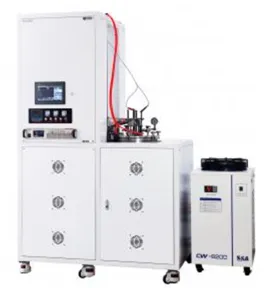
A Molten Salt Electrolysis Furnace is a specialized system designed for electrochemical processes using high-temperature molten salts (such as chlorides and fluorides) as the electrolyte. By applying a direct current (DC), the furnace drives the reduction or oxidation of metal ions, enabling metal extraction, purification, electrorefining, and advanced material synthesis.
Applications
- Metal Extraction: Enables the electrolytic extraction, refining, and purification of aluminum, magnesium, titanium, rare earth elements, and other reactive metals.
- Material Preparation: Supports the synthesis of high-purity metals, specialty alloys, advanced ceramics, and functional materials.
- Nuclear Applications: Designed for pyroprocessing, nuclear fuel reprocessing, and the treatment of radioactive waste.
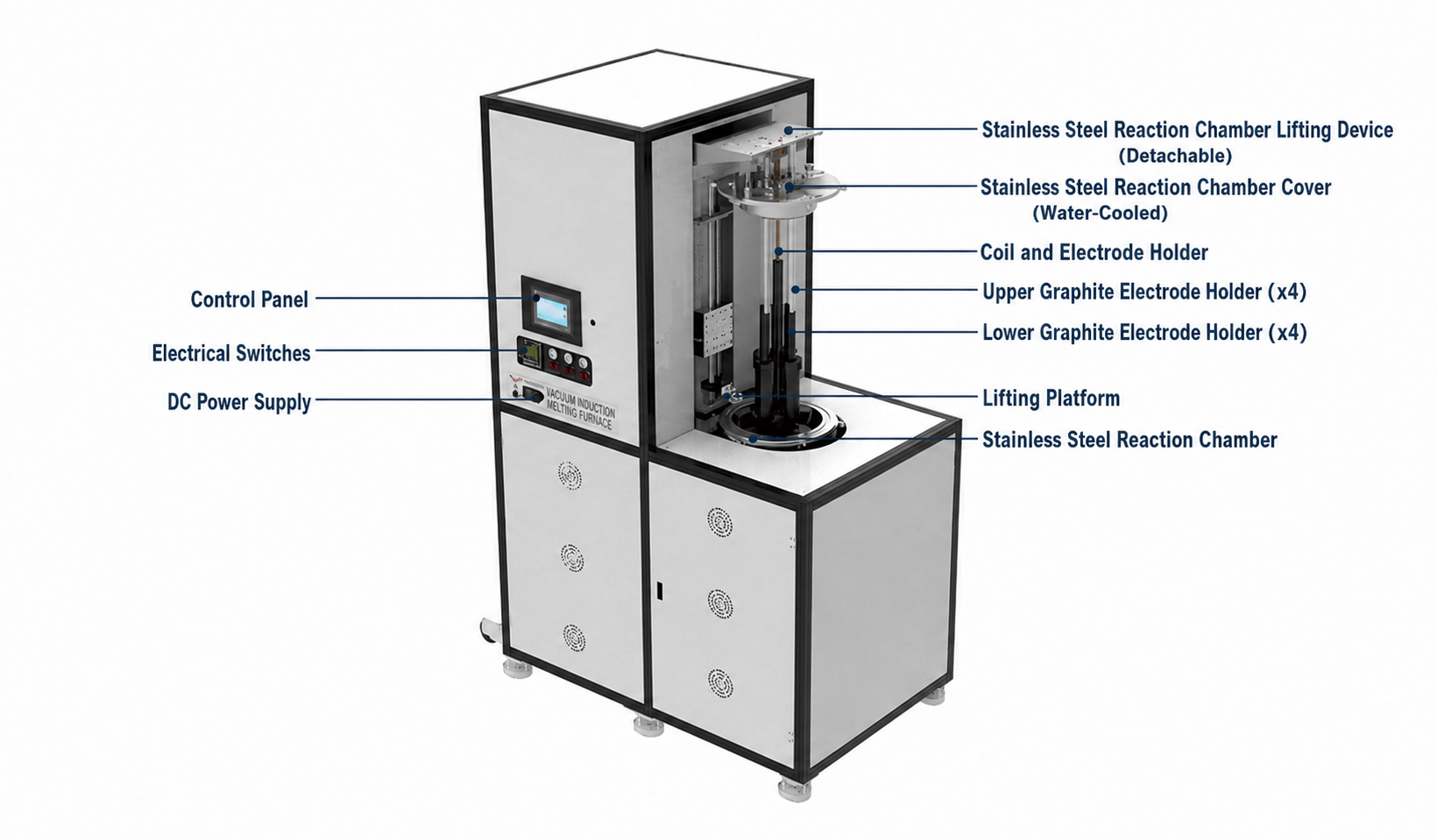
Key Features & Benefits
- Excellent High-Temperature Performance
Molten salt electrolytes remain stable at elevated temperatures, making the furnace ideal for high-temperature electrochemical processes, including the extraction and refining of high-melting-point metals. - High Electrical Conductivity
The excellent conductivity of molten salts enables efficient current transfer, resulting in improved electrolysis efficiency and reduced energy loss. - Superior Chemical Stability
Molten salts exhibit excellent chemical stability during electrolysis, minimizing unwanted side reactions with electrodes and reaction products for consistent and reliable process control. - Broad Application Range
Suitable for the extraction and electrorefining of aluminum, magnesium, titanium, rare earth elements, and other reactive metals. The system is also well suited for nuclear fuel reprocessing, radioactive waste treatment, molten salt battery research, and advanced materials development. - Environmentally Friendly Operation
Compared with conventional metallurgical processes, molten salt electrolysis can reduce harmful emissions. Many molten salt electrolytes can also be regenerated and reused, minimizing waste and operating costs. - High Energy Efficiency
The combination of high electrical conductivity and excellent thermal stability improves energy utilization while reducing overall power consumption. - Flexible Process Control
Electrolyte composition, operating temperature, and process parameters can be adjusted to accommodate a wide variety of metals, materials, and research applications. - High-Purity Product Output
The electrolysis process produces high-purity metals and specialty materials suitable for demanding research and industrial applications. - Safe and Reliable Operation
Molten salt electrolytes are non-flammable and highly stable under normal operating conditions, providing a safe operating environment for high-temperature electrochemical processes. - Long Service Life
High-quality refractory materials, durable electrodes, and corrosion-resistant components ensure long-term reliability while reducing maintenance requirements. - Switchable AC/DC Power Supply
Equipped with both AC and DC power supplies, the system allows users to select the most suitable power mode for different applications. DC operation provides stable electrolysis, low energy consumption, and enhanced electromagnetic stirring, while AC operation can improve heating efficiency and temperature uniformity. The ability to switch between AC and DC offers greater process flexibility for a wide range of materials and research requirements.
Your Dynamic Snippet will be displayed here...
This message is displayed because youy did not provide both a filter and a template to use.